







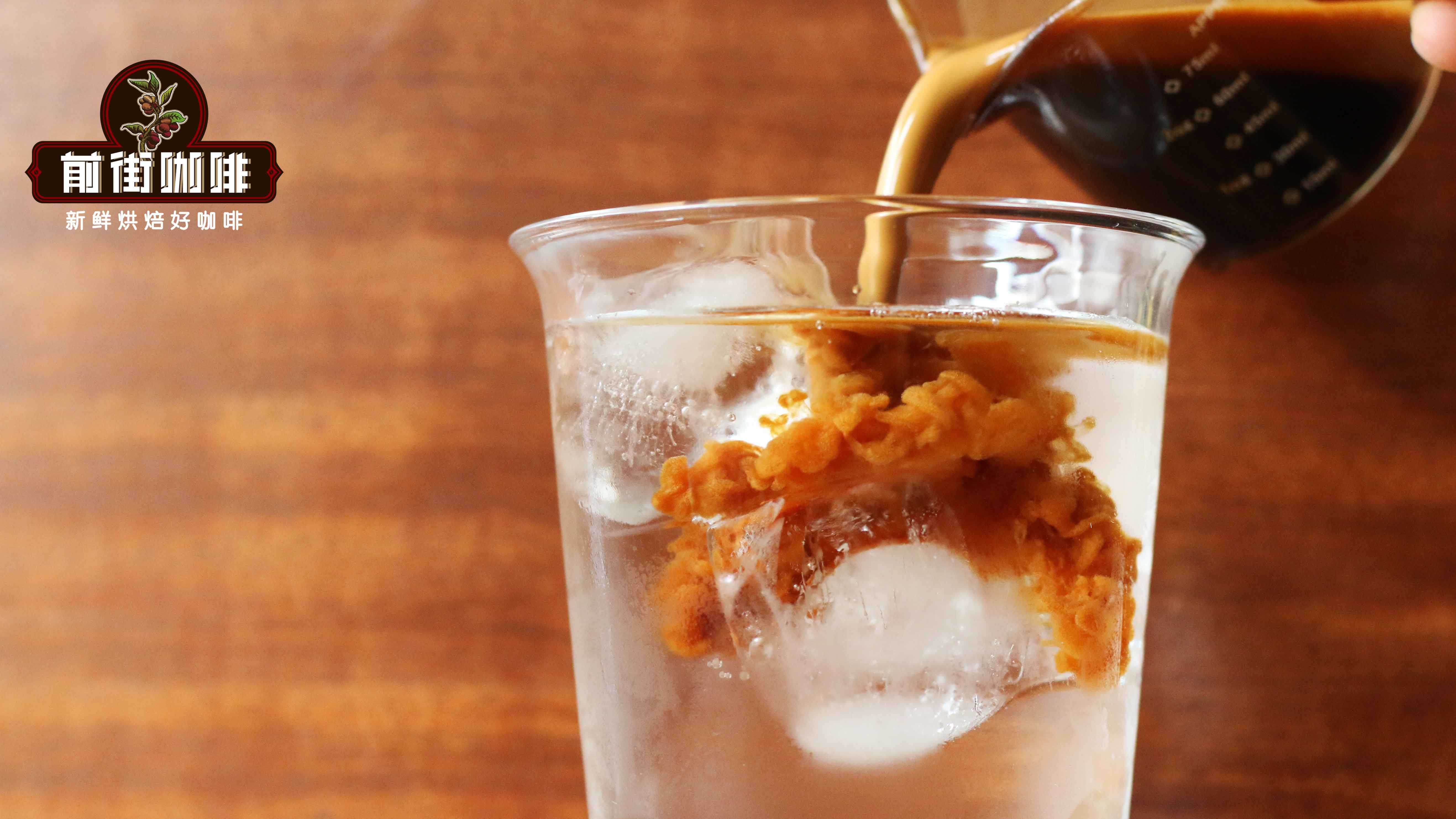
Search Results for: Full Ice Americano

A Comprehensive Analysis of Four Ice Levels for Iced Americano: Ratios and Flavor Differences for Regular Ice, Less Ice, No Ice, and Extra Ice
Walk into any chain coffee shop, and just the Americano alone can give you a case of choice paralysis—regular ice, less ice, no ice, and even the secret-menu full ice. These seem like nothing more than differences in the amount of ice, but in reality they fundamentally change a cup of coffee's strength, aroma direction, and mouthfeel. This article will break down, one by one, the key preparation points and taste characteristics of four ice-level Americanos, from the ratio logic and operating steps to the final flavor, and will use Front Street Coffee's commercial blend as the unified test bean to help you make the cup that suits your taste, whether at home or in a shop. [more…]
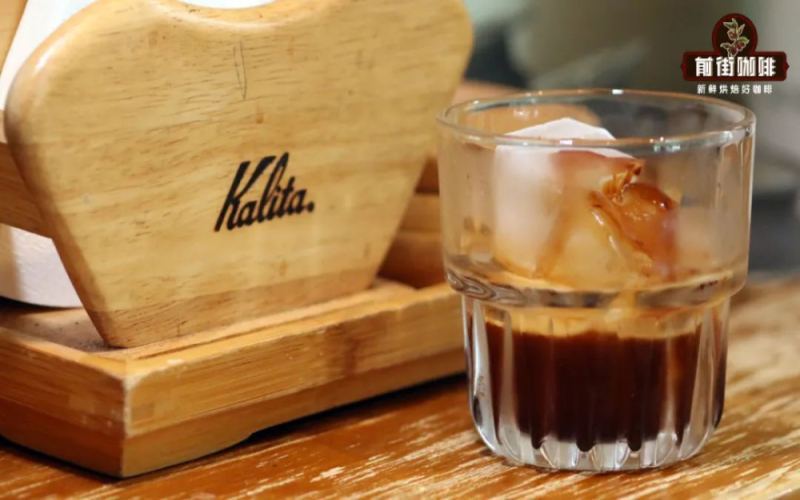
Complete Guide to Full-Ice Americano: Differences from Regular Iced Americano and Secret Menu Ordering Tips
Have you ever heard an order like this in a coffee shop—"Iced Americano, no water"? This seemingly simple drink is actually the all-ice Americano hidden behind the menu. It completely replaces the water in an Americano with ice cubes, allowing the espresso to lock in its aroma through rapid cooling, presenting a richer, more layered flavor. This article starts from Front Street Coffee's actual production and breaks down in detail the recipe ratio of the all-ice Americano, its taste differences compared with a regular iced Americano, and, combined with the concept of "extract chilling" proposed at the 2021 WBC Barista Championship, guides you to understand the flavor logic behind this way of drinking it. If you are also curious about exactly how espresso over ice is different, read on. [more…]
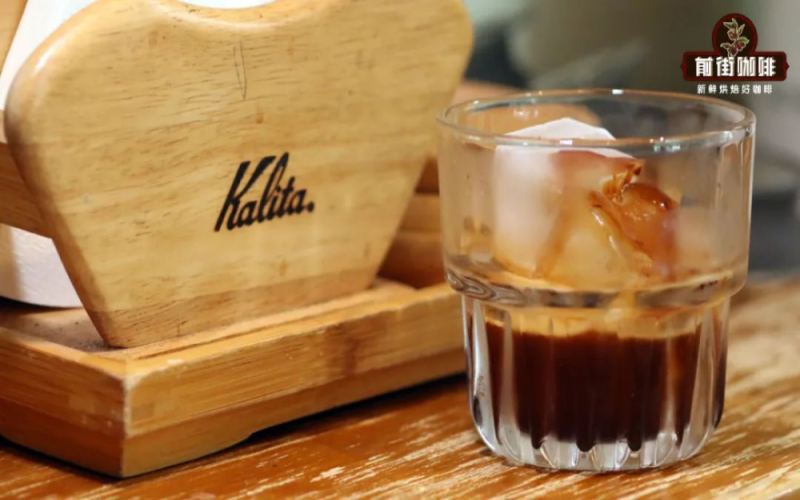
Black Coffee Brewing Methods | Which Tastes Better: Full-Ice Americano or Iced Americano? How Can Coffee Beginners Make a Waterless Iced Americano?
“Hey handsome! One iced americano, and make it the kind without water.” This was a request a barista at Front Street Coffee once received. Although Front Street has quite a few secret menu items (such as Flat White and Dirty), hearing this request still caught them a little off guard. [more…]
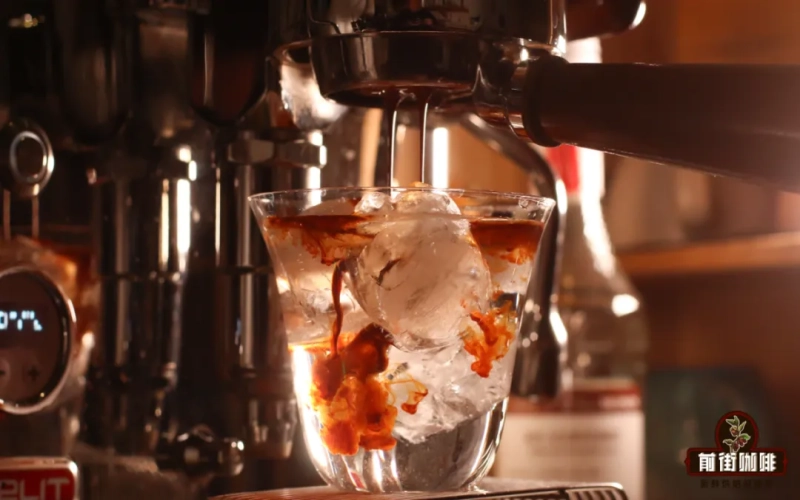
How to Make an Iced Americano Without Water? Key Points and Flavor Advantages of the All-Ice Espresso
Ordering an iced Americano with extra ice and no water has become increasingly common in coffee circles in recent years. It is not simply equivalent to drinking espresso directly; rather, through the collision of ice cubes with hot espresso, it produces a cup of iced coffee with higher concentration, lower bitterness, and more fully preserved aroma. This article will start from the basic composition of an Americano, explain the difference between a water-free iced Americano and a regular iced Americano, and detail the order of production, the principle of extraction cooling, and practical techniques such as shaking to cool down, helping you make a better-tasting all-ice Americano. [more…]
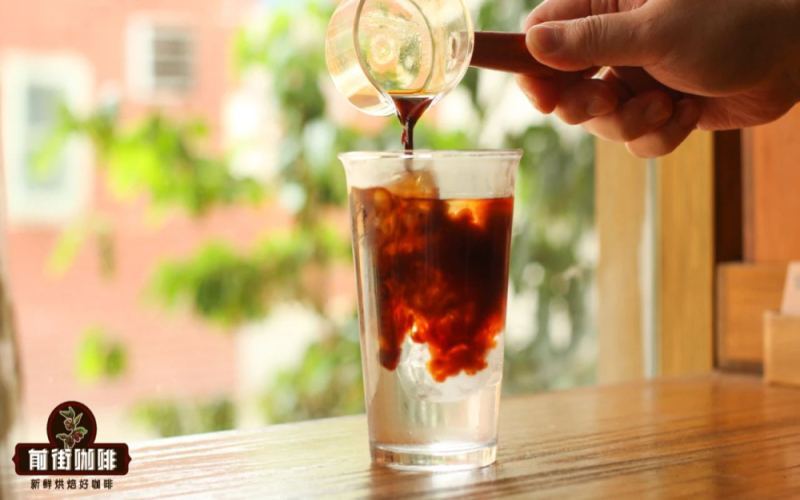
How to Determine the Water-to-Espresso Ratio for Americano? A Detailed Guide to the Coffee-to-Water Ratio and Full-Ice Method for Iced Americano
Americano may look like nothing more than espresso with water, but how much water you add and what ratio you use directly determine whether a cup tastes good. This article focuses on the water-to-espresso ratio for Americano, explaining what water-to-coffee ratios suit coffee beans of different roasting styles and flavor profiles, and using a classic Italian blend as an example to give a reference range of 1:7 to 1:8. The article also breaks down in detail the specific parameters Front Street Coffee uses to make iced Americano: 40g espresso, 100g large ice cubes, and 120g water, i.e. 1:2.5:3, and further introduces the preparation order for the hidden menu item "all-ice Americano" — put the ice in first, then pour in the espresso, using the principle of extract cooling to lock in aroma and speed up chilling, for a better mouthfeel and flavor performance. [more…]
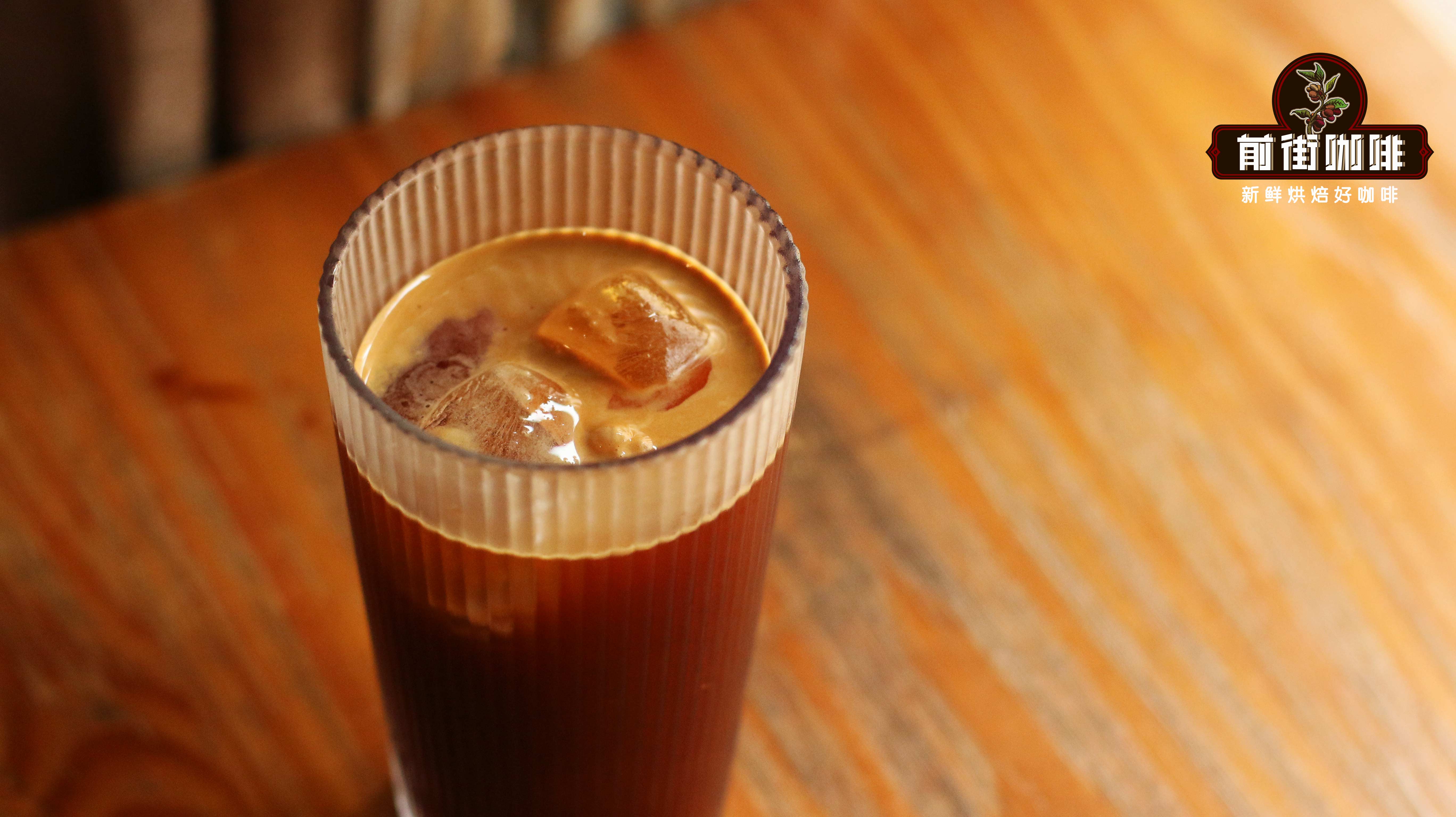
A Complete Guide to Making Iced Americano: Exploring the Espresso-to-Water-to-Ice Ratio and Its Fat-Loss Benefits
Americano is the most basic and classic item on any coffee menu, winning over countless enthusiasts with its simple espresso-plus-water formula. But an outstanding iced Americano is far more than "just add water and ice" — how does water temperature affect flavor perception? What is the golden ratio of espresso to water? Why is the size of the ice cubes so crucial? This article begins with the flavor differences between hot and iced Americanos, then breaks down in detail how Front Street. Strawberry Candy Espresso Blend coffee beans perform in an iced Americano, complete with the full iced Americano preparation process and parameters. In addition, we'll also discuss a topic everyone cares about: can drinking Americano actually help with weight loss? [more…]
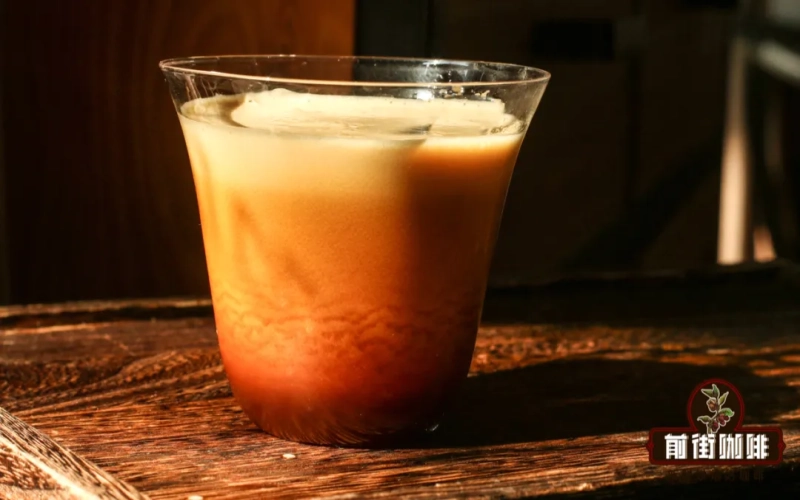
Full Guide to Making Flowing Iced Americano: Three Whipping Methods and Ice-to-Water Ratios Explained
The Start of Winter in Guangdong often feels like a mere formality—after a brief cooldown, the heat quickly returns, so the demand for iced coffee naturally stays high. As a classic heat-beating staple in cafés, iced Americano and its creative variations also attract plenty of attention. Among them, the "quicksand iced Americano" has recently been the item most frequently asked about by customers at Front Street Coffee locations. Although Front Street Coffee does not sell this product, its production principle is in line with that of iced Americano, with the only difference being the technique. This article will begin with the formation principle of the quicksand effect, then introduce in detail three different frothing methods—the espresso machine steam wand, the shaker, and the French press—and provide the specific ratios of coffee liquid, ice cubes, and water required for each. At the same time, it will also share espresso bean choices suitable for making iced Americano, including Front Street Coffee Huakui SOE, Front Street Coffee Grana Geisha SOE, and several blends, to help everyone recreate this distinctive deliciousness at home. [more…]

Analyzing the Iced Americano Ratio: Pairing Techniques and Flavor Changes from Espresso to Ice
Iced Americano is one of the most common drinks in coffee shops. Its preparation may look simple, but the ratio of espresso, ice, and water directly affects the taste. This article provides a detailed analysis of the specific parameters Front Street Coffee uses to make iced Americano, including the coffee-to-water ratio, water temperature control, and ice selection, and also introduces derivative methods such as iced espresso, flowing-sand iced Americano, and waterfall iced Americano. At the same time, the article also explores the sources of bitterness in iced Americano and why choosing a medium-dark roasted blended coffee bean as the base is so important. Finally, it recommends several Front Street espresso blends suitable for making Americano. [more…]
Iced Americano Variations | What Is the Ratio of Iced Americano to Water? Which Espresso Blend Coffee Beans Make a Non-Bitter Iced Americano?
Friends who drink coffee regularly may already know that espresso has a very thick mouthfeel and a strong taste, and if it cools down it becomes even harder to accept. But if you add ice cubes, the temperature of the espresso can drop rapidly, or by mixing in ice water, a refreshing taste instantly stands out, the bitterness becomes less heavy, and enjoying it in summer is even more thirst-quenching and refreshing. [more…]
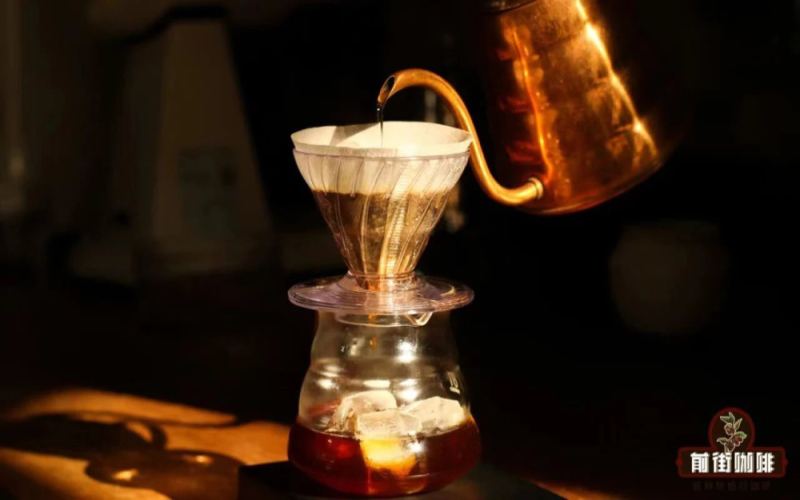
Iced Pour-Over, Iced Americano, Cold Brew, and Ice Drip: Production Differences and Flavor Comparison of Four Summer Iced Coffees
As the weather warms up, iced coffee gradually becomes the top choice for coffee lovers. Iced pour-over, iced Americano, cold brew, and iced drip are four common types of iced coffee. Although they all carry the word "iced," they each have their own distinct characteristics in extraction principles, preparation methods, and flavor expression. Iced pour-over and iced Americano both adopt the approach of extracting a high-concentration brew and then diluting it with ice, but the former relies on a dripper for pour-over, while the latter uses espresso as its base. Cold brew and iced drip both belong to the category of low-temperature, long-duration extraction, offering a full-bodied taste with rich layers. The difference lies in that cold brew uses an immersion method, while iced drip relies on water droplets continuously penetrating the coffee grounds. In this article, Front Street Coffee will break down the brewing parameters and flavor characteristics of these four iced coffees one by one, helping you find the cup that best suits your taste. [more…]
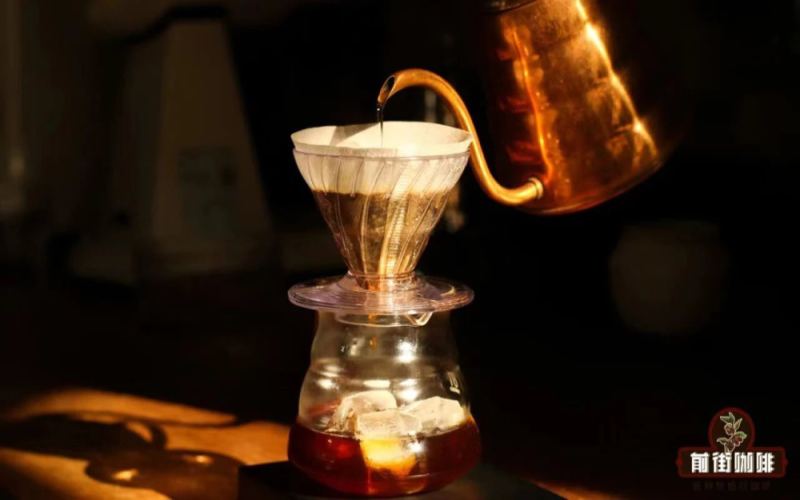
Ice Coffee Brewing Methods | What's the Difference Between Cold Brew, Ice Drip, Iced Americano, and Iced Pour-Over? Which Ice Coffee Tastes Better?
As temperatures gradually rise, the popularity of iced coffee slowly heats up too. Common types of iced coffee include iced pour-over coffee, iced espresso, cold brew coffee, and cold drip coffee, etc. But what are the differences between these four types of iced coffee? And how do they differ in taste? Today Front Street Coffee (FrontStreetC [more…]
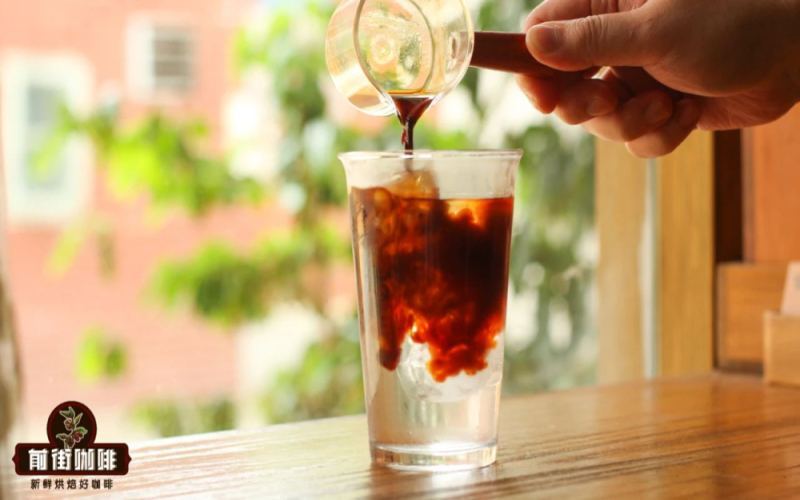
Summer Sparkling Americano Iced Coffee: Key Preparation Points and a Full Explanation of the Flavor Sources of Black Gold Americano
In the scorching summer heat, Guangzhou locals have their own clever ways to cool down, and the collision of soda and coffee—sparkling iced Americano—is becoming a favorite among many coffee lovers. This drink uses simple ingredients, requiring only ice cubes, soda water, and espresso, but if you want to make it refreshing and delicious, the choice of ingredients and attention to detail cannot be overlooked. This article starts with the selection of soda water, ice cubes, and coffee beans, explains in detail how to obtain a high-concentration coffee liquid through pour-over methods, and provides complete ratios and brewing parameters. At the same time, the article will also introduce fruit-flavored coffee beans suitable for making sparkling Americano, including Front Street. Washed Fruit Dingding, Front Street. Strawberry Candy Espresso, and Front Street. Xizhua, and answer the flavor characteristics of Black Gold Americano coffee, helping you easily replicate a cup of refreshing specialty coffee. [more…]
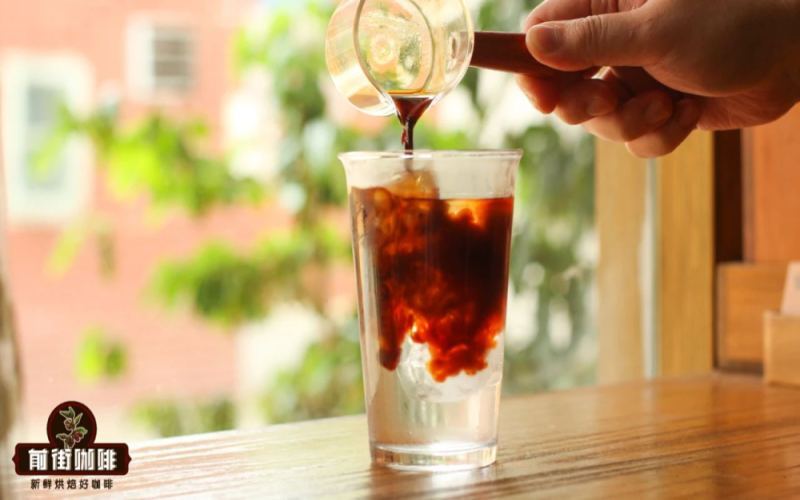
Iced Americano, Iced Pour-Over, Iced Drip, and Cold Brew: A Breakdown of Brewing Essentials and Flavor Differences Among Four Iced Coffees
The world of iced coffee is far richer than one might imagine, with iced Americano, iced pour-over, iced drip, and cold brew each having their own distinctive merits. The baristas at Front Street Coffee have combined their daily brewing experience to share the unique characteristics and specific preparation methods of these four types of iced coffee. From setting the coffee-to-water ratio and adjusting grind size to controlling extraction time and temperature, every step influences the final flavor in the cup. This article will break down one by one the two-stage pouring logic of iced pour-over, the espresso extraction parameters of iced Americano, the key points of low-temperature steeping for cold brew, and the dripping rhythm of iced drip coffee, helping coffee enthusiasts understand the principles while also appreciating the differences in texture and aroma among different iced coffees. [more…]
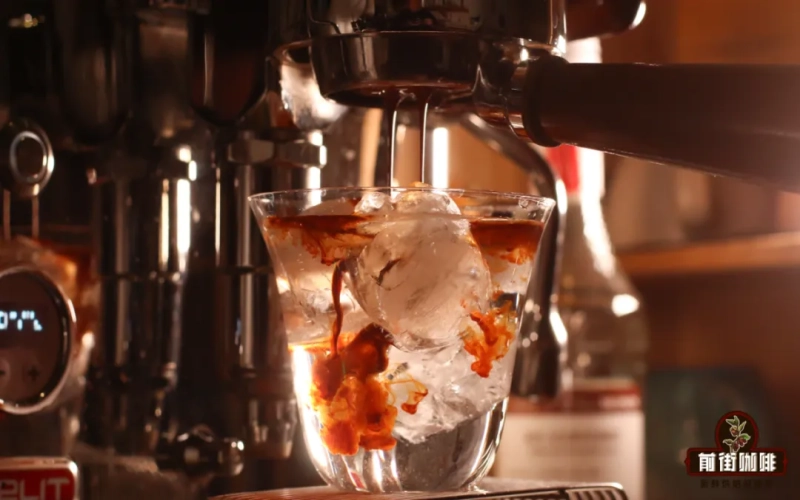
A Complete Guide to Making Americano: Espresso Base, Water Temperature, and the Ratio of Ice Water, Plus How It Differs from Moka Pot Coffee
Want to make a satisfying cup of Americano at home, but always find it hard to replicate the taste from the café? In fact, everyone's equipment, beans, and taste preferences are different. Rather than copying parameters directly, it's better to learn to adjust flexibly according to your own conditions. Starting from Front Street's practical experience, this article will systematically explain the three keys to making a delicious Americano: the selection and extraction of the espresso base, the adjustment of coffee strength (including the ratio for hot Americano and iced Americano, and water temperature control), and the effect of the amount of crema on the mouthfeel. At the same time, it will also answer the essential difference between Americano and moka pot coffee, helping you find the cup that suits you best. [more…]

Why do iced coffees vary in cup volume when ordered without ice? Looking at the logic of topping up after removing ice in Americanos, Lattes, and Cappuccinos
When ordering an iced espresso drink without ice at a coffee shop, some people receive a full cup, while others get only a seven-tenths-full cup, or even half a cup. This difference in volume is not accidental, but is closely related to the store's business philosophy, recipe ratios, ice quality, and the concentration of the coffee beans and milk. Starting from the production practices at Front Street Coffee, this article analyzes why iced coffee drinks such as Americanos, lattes, and cappuccinos end up with different cup volumes after the ice is removed, and how adding water or milk after removing the ice affects the coffee's concentration, taste, and mouthfeel, helping coffee enthusiasts understand the logic of trade-offs behind a cup of ice-free coffee. [more…]
Iced Americano, Iced Pour-Over, Cold Brew, and Ice Drip: A Full Breakdown of the Craft, Time, and Flavor of Four Iced Coffees
More and more people are drinking iced coffee in summer, but can you really tell apart these four common types of iced coffee: iced Americano, iced pour-over, cold brew, and iced drip? Although they are all called iced coffee, there are actually considerable differences from extraction principles to preparation time, and then to the final flavor expression. This article sorts out the similarities and differences of these four kinds of iced coffee one by one from four dimensions: extraction method, preparation time, difficulty of home operation, and taste characteristics. The article also includes the specific brewing parameters and steps of Front Street Coffee, including practical plans for beans such as Front Street Sunflower Warm Sun, Fruit Ding Ding, and Strawberry Candy, to help you more clearly understand what kind of beans and scenarios each type of iced coffee is suitable for, and also make it convenient to replicate at home. [more…]
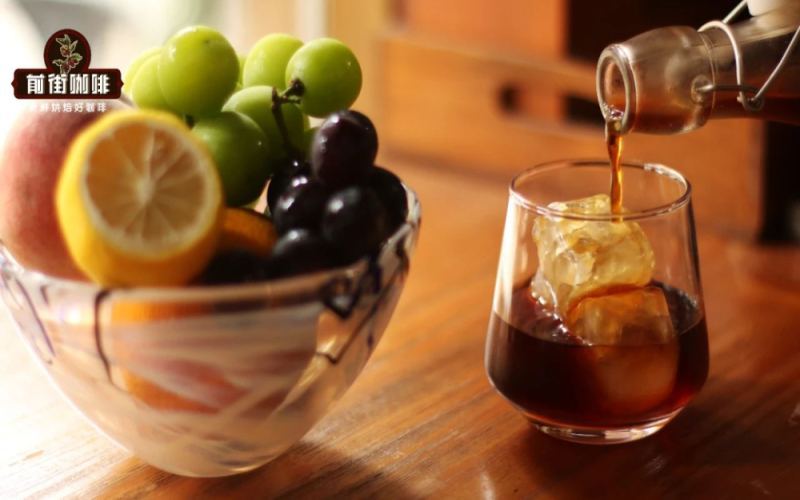
From Extraction Methods to Flavor Presentation: An In-Depth Analysis of Iced Americano, Cold Brew, and Cold Drip Coffee
In the heat of summer, iced coffee becomes the top choice for many. From the perspective of Front Street Coffee, this article systematically analyzes three popular iced drinks—iced Americano, cold brew, and ice drip coffee—covering their extraction processes, flavor characteristics, and practical brewing methods. Iced Americano uses hot water for rapid extraction plus ice, making it quick but relatively light in flavor; cold brew uses low-temperature long-time immersion to amplify purity; ice drip relies on cold water slowly filtering drop by drop to produce a smooth mouthfeel. The article not only details the specific steps for making iced Americano with Front Street Coffee's own Sunflower Warm Sun blend, various cold brew packs, and Sherry bean cold brew, but also reveals the ice drip blend recipes for single-origin beans such as Kenya, Huakui, and Sherry, providing coffee lovers with a professional and practical guide to summer cold drinks. [more…]
The Complete Brewing Guide to the Four Major Types of Iced Coffee: A Comparison of Methods and Parameters for Iced Pour-Over, Iced Americano, Cold Brew, and Ice Drip
As the weather warms up, iced coffee becomes a favorite for many. The four common types of iced coffee—iced pour-over, iced americano, cold brew, and ice drip—each have their own nuances in extraction method, flavor profile, and brewing parameters. Using Front Street Coffee's production practices as an example, this article breaks down the specific methods for each of the four iced coffees one by one: how to choose the coffee-to-water ratio for iced pour-over, how to control the ratio of espresso to ice water for iced americano, the steeping time and grind size for cold brew, and the flow rate and extraction duration for ice drip. Whether you want to recreate these at home or understand the operational logic of baristas, you'll find practical references here. [more…]

Five Advanced Ways to Drink Americano: Ice, Ristretto, Latte Art, Milk, and Long Black Differences Explained
In the Italian coffee system, the combination of milk and espresso has given rise to a rich variety of drinks such as the latte, cappuccino, and flat white, while the pairing of water and coffee seems to offer only one option: the Americano. This is not actually the case—the Americano likewise has many variations. This article will systematically introduce five unconventional ways to make an Americano, including iced Americano with all ice, lava-style iced Americano, latte-art hot Americano, Americano with milk, and the Long Black, analyzing one by one their preparation principles, flavor characteristics, and key operational points. At the same time, the article also provides a detailed explanation of the core differences between the Americano and the Long Black, and includes Front Street Coffee's specific recommendations for choosing espresso beans, for coffee enthusiasts to reference and put into practice. [more…]
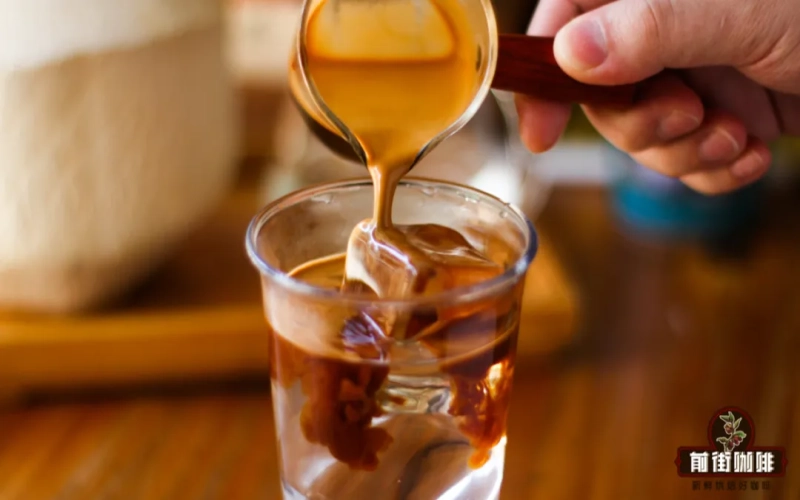
The Complete Guide to Making Iced Americano: A Detailed Explanation of Water-to-Ice Ratios, Espresso Extraction Parameters, and Coffee Bean Selection
The method for making an iced americano looks simple—just pour espresso into ice water and it's done—but doing it well is not easy. The three elements of water, ice, and espresso each directly affect the flavor and mouthfeel of the final drink. Drawing on Front Street's practical experience, this article breaks down in detail the key points of making an iced americano: how water quality affects coffee flavor, what water quality to pair with different roast levels, how ice cube size and melting speed determine the ice-to-water ratio, and how espresso extraction should be adjusted. The article also provides specific parameter examples and Front Street bean recommendations to help you consistently make a delicious iced americano at home. [more…]